For Occupational, Physical and Speech Therapists
Bridging the Gap Between Therapy and Real-World Performance
We help children apply regulation, inhibitory control, attention, and motor planning in structured, real-world group environments where movement, distraction, and social interaction naturally challenge those skills.
Designed for providers looking for a structured environment to support skill carryover outside of therapy sessions.
You're Doing the Work...
But It's Not Always Carrying Over
Kids often demonstrate skills during therapy but struggle to apply them
when movement, distractions, and the need to stop, wait, and control impulses are added.
• Parents struggle with follow through.
• Skills break under pressure or distractions.
• Progress doesn't always generalize.
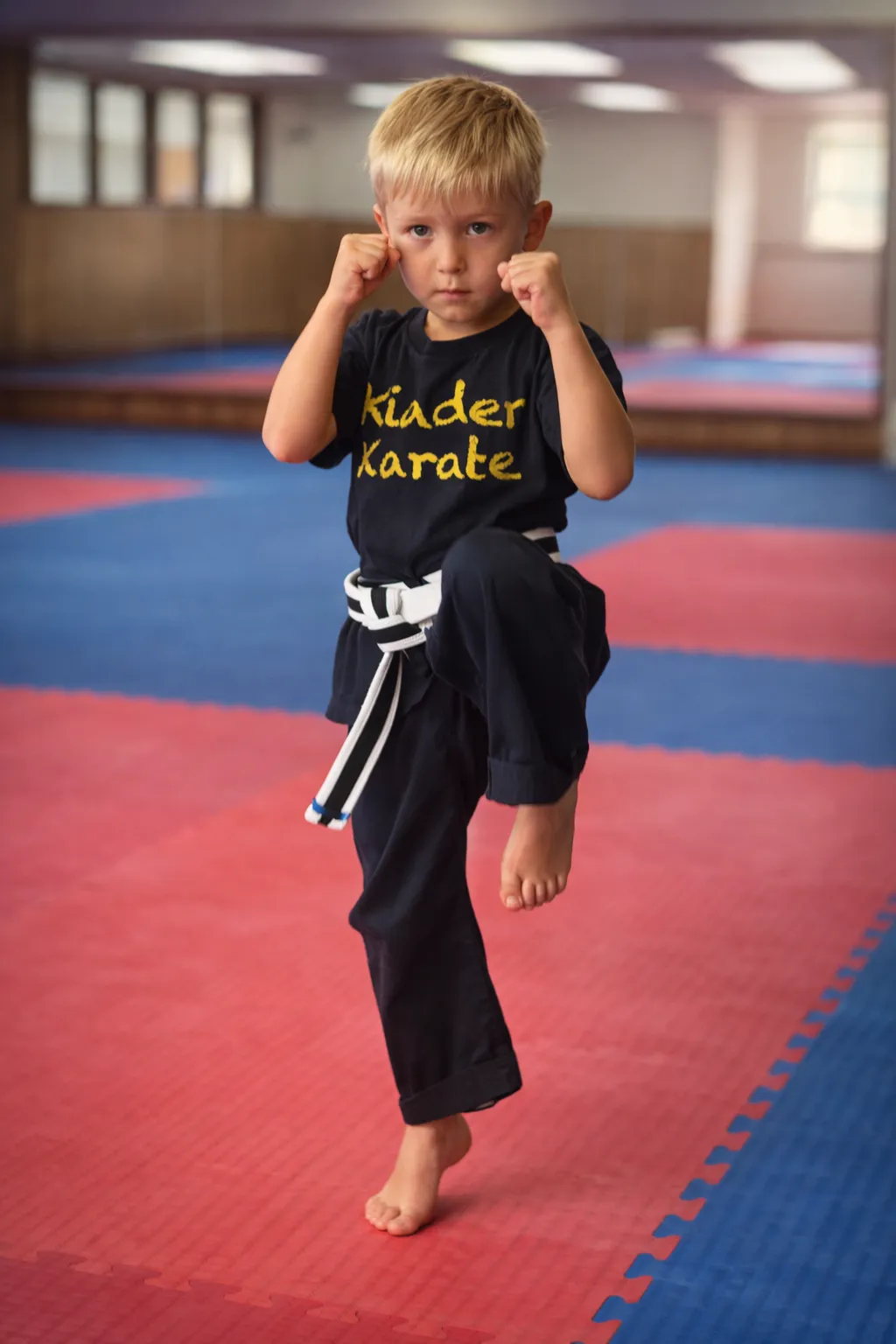
Therapy Builds the Skill.
Kids Need a Place
to USE IT.
Practice inhibitory control while moving.
Practice maintaining control around peers.
Practice staying regulated when routines change.
A Structured Environment Designed
for Real-World Application
We are not therapy.
We are a movement-based, group training environment
designed to reinforce the skills you are already building.
STRUCTURED
A clearly sequenced environment where expectations, routines, and task demands are consistent, allowing children to anticipate, organize and execute actions with reduced cognitive load.
This structure supports motor planning, working memory, and creates repeated opportunities to practice inhibitory control.
PREDICTABLE
Consistent patterns, language, and class flow reduce uncertainty, allowing the nervous system to shift from
threat response into engagement.
This predictability creates the conditions for improved attention, regulation and skill acquisition across sessions.
SOCIALLY DYNAMIC
A group-based setting that naturally creates opportunities for children to wait, take turns, adapt to others,
and control impulsive responses.
These real-world social demands build the capacity to apply inhibitory control and broader executive functioning skills in ways that isolated or 1:1 environments cannot replicate.
REGULATION FOCUSED
Activities are designed to intentionally engage vestibular and proprioceptive systems, supporting arousal regulation, body awareness, and emotional control.
Children are not removed from challenge - they are guided to sustain regulation within it.
Our approach is grounded in a structured framework we call Capacity Training™.
We focus on developing a child’s ability to regulate, attend, and execute effectively
under real-world conditions.
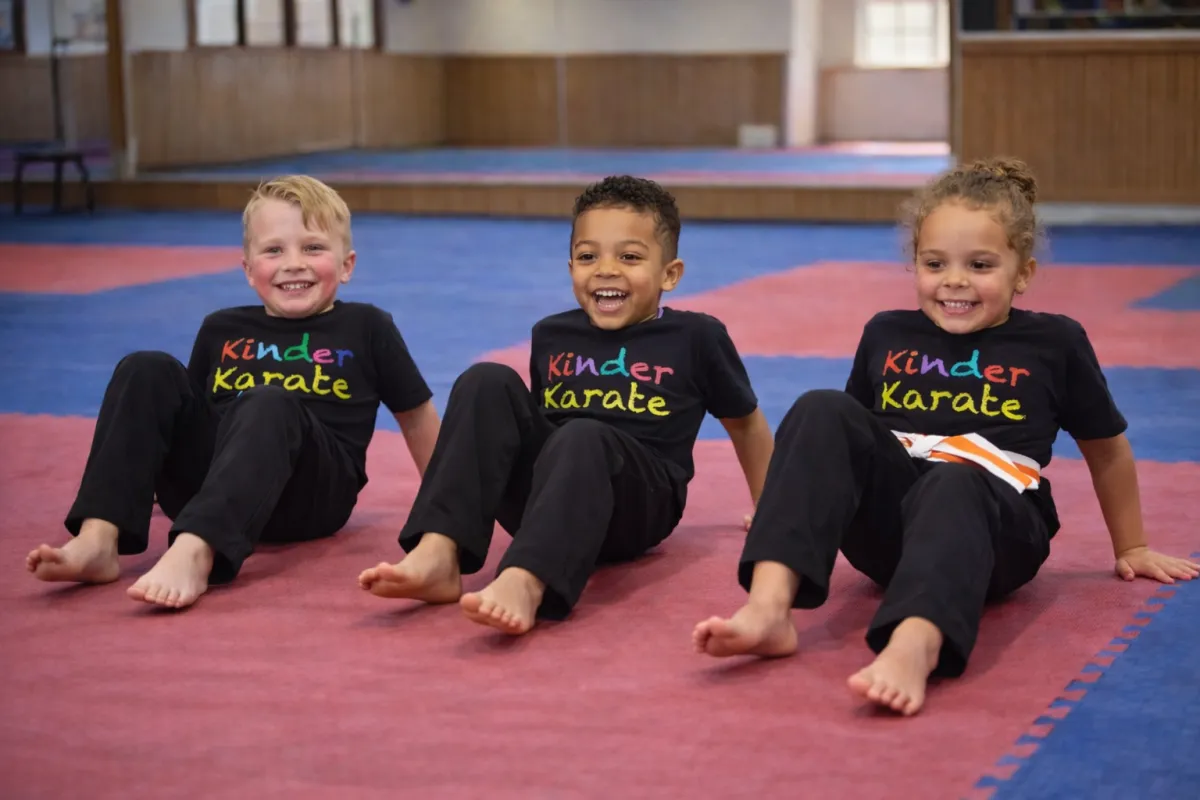
How the Program Works

ASSESSMENT FOR
FIT

SMALL GROUP PLACEMENT

STRUCTURED TRAINING SESSIONS

ONGOING PROGRESS TRACKING
When appropriate, we can coordinate general progress feedback with providers.
Who is a Good Fit:
Kids who can participate/follow basic instruction in a group setting with support
Currently in or recently discharged from OT/PT/speech
Struggle with applying skills outside sessions
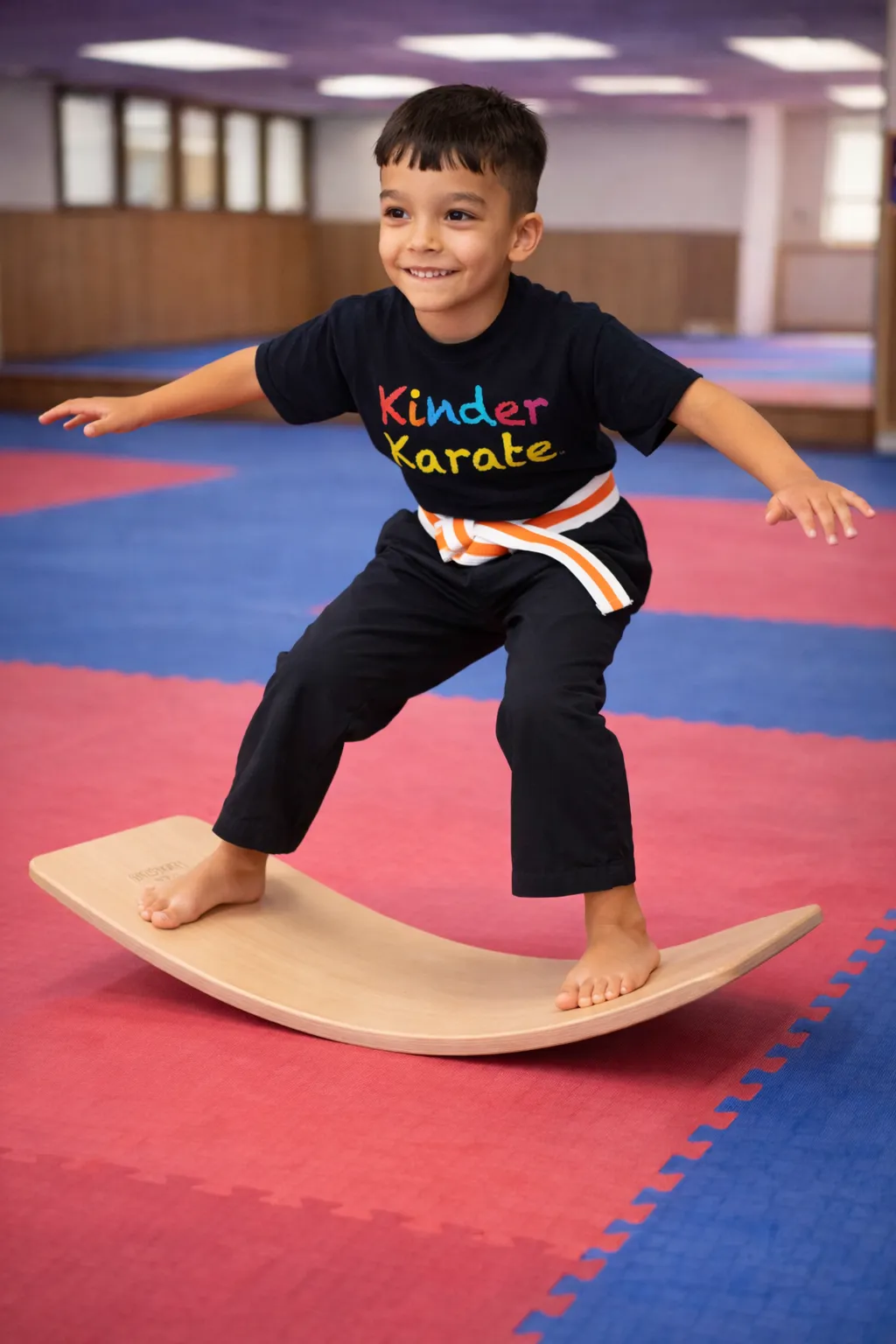
Who Is NOT a Good Fit:
Require 1:1 intervention to participate
Severe behavioral dysregulation beyond group capacity
Unable to follow basic instruction in a group setting
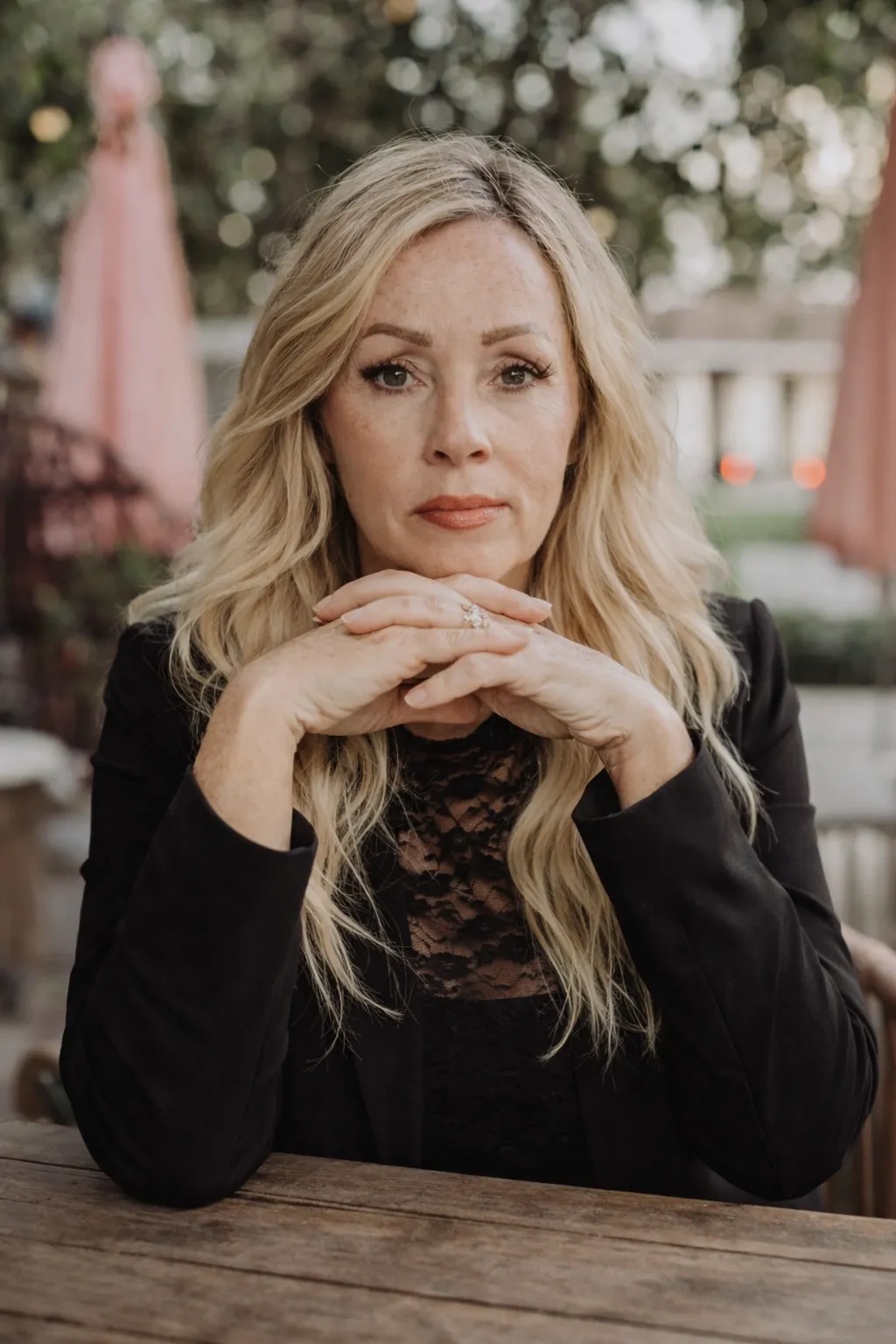
Built on a Structured, Experience-Driven Framework
This program is built on a structured framework designed to help children apply regulation, attention, and motor planning skills in real-world environments.
The framework was developed by Kara Czerniak, drawing on over 30 years of experience working with children in structured movement settings, along with advanced study in psychology and early childhood development.
It is delivered through a consistent, systemized approach designed to ensure each child receives the same level of structure, clarity, and progression.
Framework and Background:
Master’s Degree in Positive Psychology
Doctoral work in Early Childhood Education (in progress)
30 years working with children in structured programs
Developer of the Capacity Training Framework™
Designed specifically for real-world skill application
This program is not therapy and does not replace clinical services.
It is designed to support and reinforce therapeutic outcomes in a structured group setting.
Serving the Greater Pittsburgh Area